
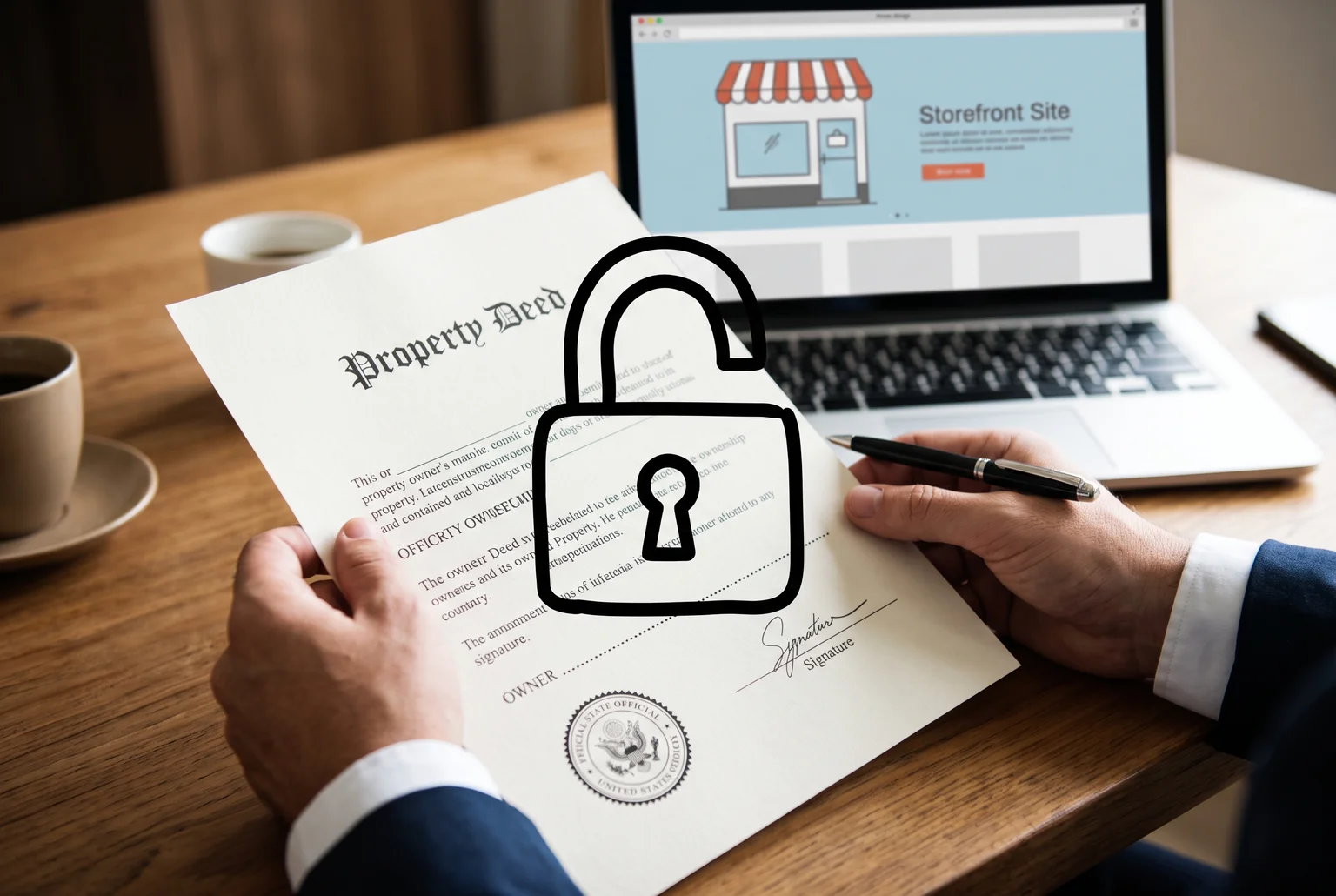
Do you know where your website actually lives?
If someone asked you right now who controls your website’s hosting, could you answer? Most business owners can’t, and there’s a simple reason why: an agency or freelancer set everything up years ago, handed over a finished site, and nobody ever mentioned who holds the keys to the account behind it.
That’s not a red flag on its own. It’s just how most small businesses end up building a website, focused on the design and the launch, not the admin sitting behind the scenes. The gap is common, and it’s fixable once you know what to look for.
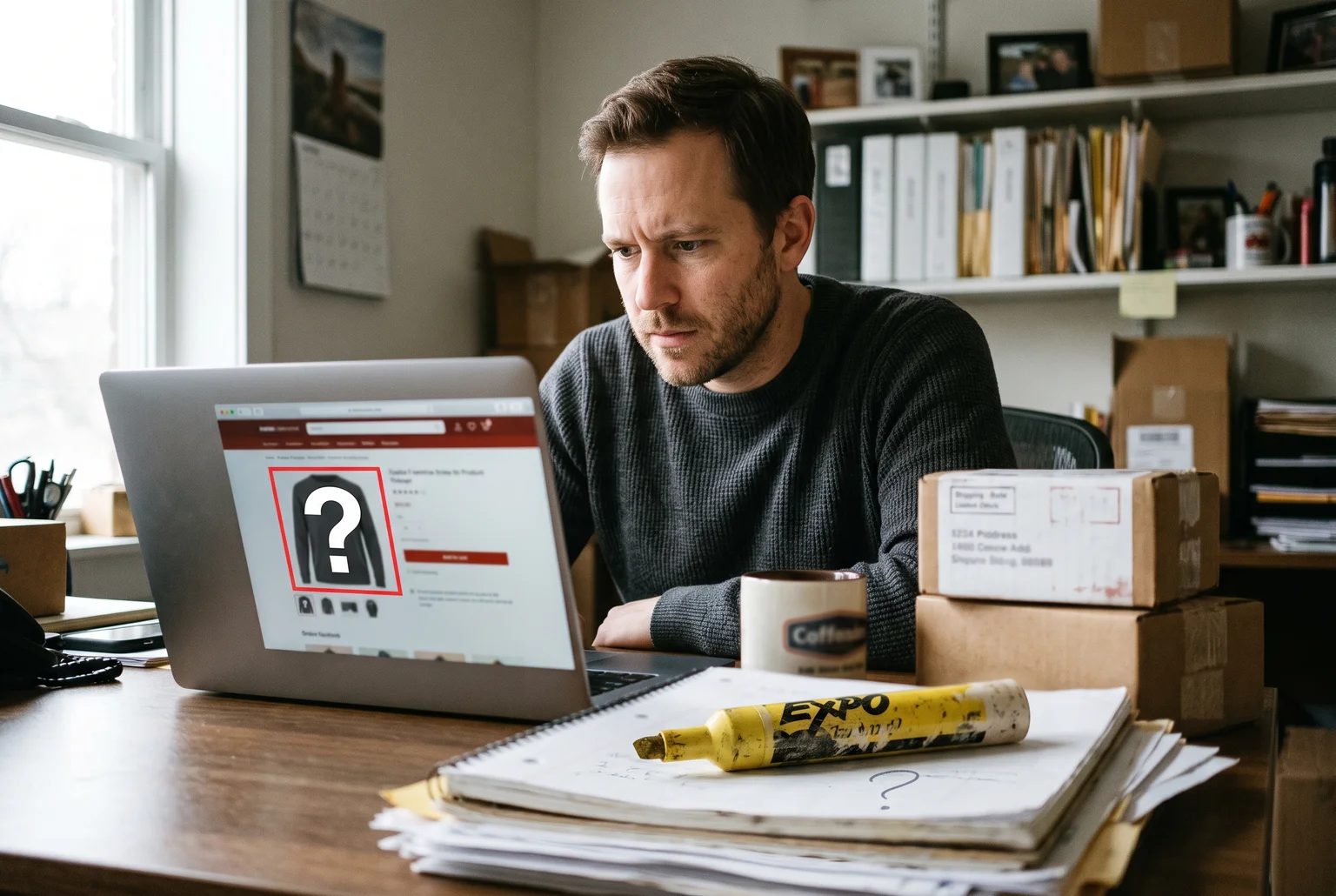
Three separate things, three separate owners
A website is really three things bundled together, and each one can belong to a different person.
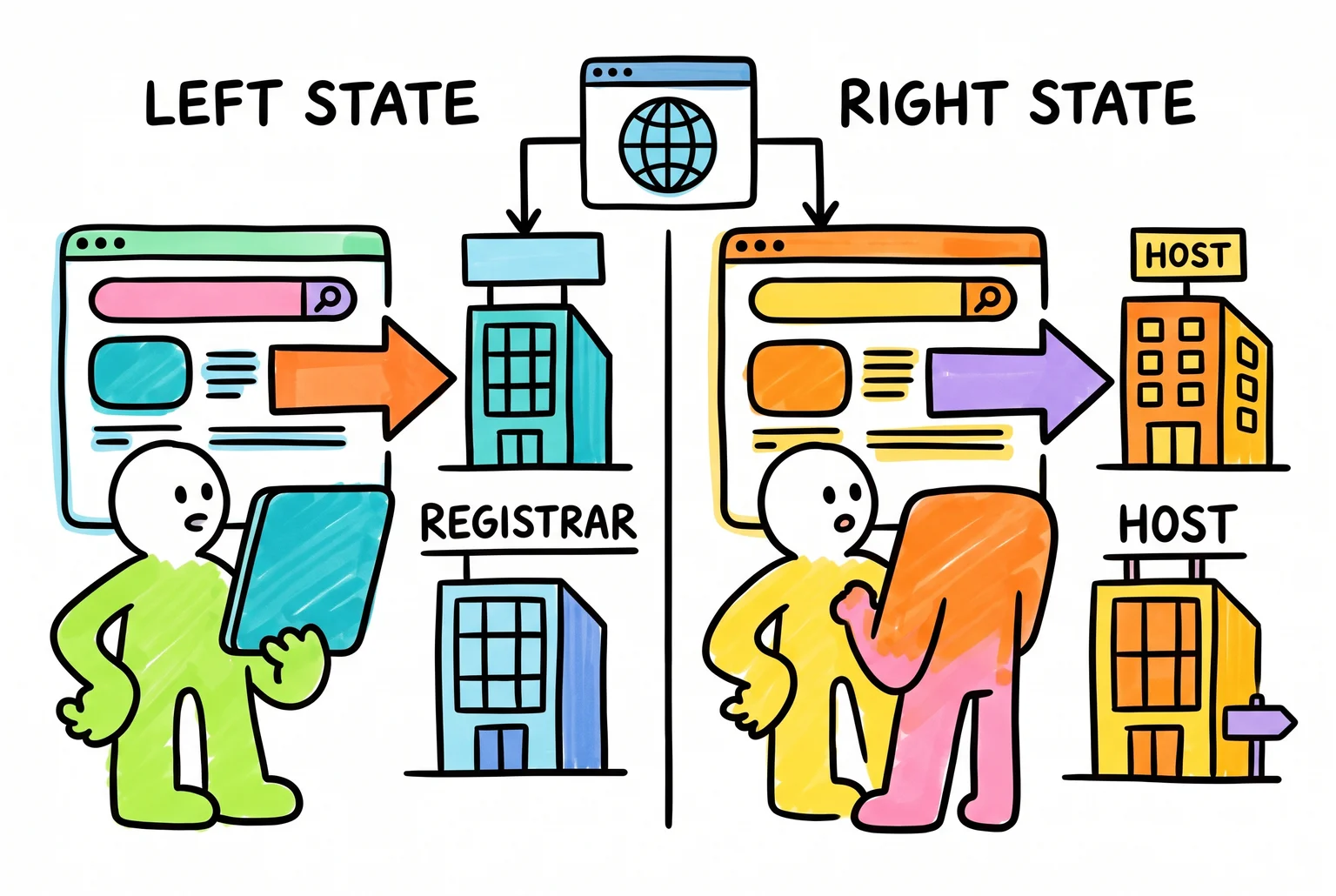
The domain name is your address, the words people type to find you, like yourbusiness.com.au. Hosting is the land and building where your website’s files actually sit, the thing that makes your site load when someone visits. The design and build work, the pages, the branding, the layout, is what your agency or freelancer put inside that building.
One company can register your domain, host your files, and build your site. Or all three can sit with different providers. Either way, they’re separate services with separate logins and separate ownership, even when one invoice covers all of it.
Most owners never separate these in their head because one person handled everything at once. That’s normal. But knowing the difference is the first step to knowing what you actually own.
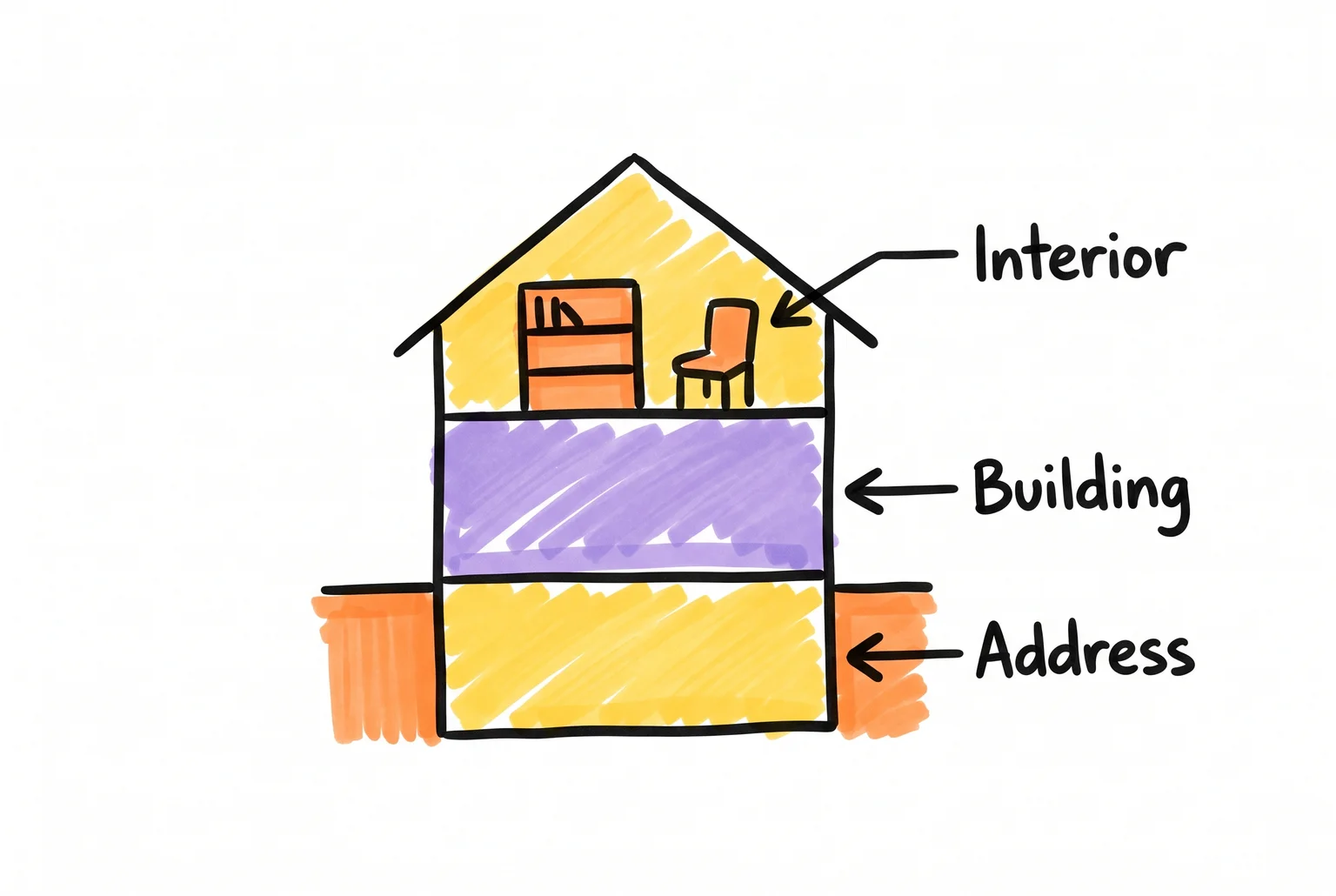
The address, the building, and the interior are three different things you can own separately, even if one bill made them feel like one.
What control actually gives you
Your website is a business asset, the same as a shopfront lease or a client list. If you don’t know who holds the login to your hosting account or the domain registrar, you don’t fully control that asset, no matter how much you paid for it.
Control gives you three things. Continuity: your site keeps running whether your agency is thriving, struggling, or gone. Leverage: you can switch providers, negotiate price, or walk away from a bad working relationship without losing your website in the process. Ownership: the site is legally and practically yours, transferable to a new team whenever you choose.
None of this requires technical skill. It requires knowing where three things sit and who has the keys to each.
What can actually go wrong
These scenarios play out often enough that lawyers and web professionals write about them regularly.
The agency closes down. Your provider shuts up shop with no warning, and the domain or hosting account registered under their name becomes unreachable.
The relationship sours. A dispute over payment or scope leads to withheld login credentials, and you can’t update your own site.
You get held to ransom. Some developers use access as leverage, refusing to hand over the domain or hosting until an invoice is paid, sometimes even claiming the site has been “hacked” to justify blocking you out.
The migration goes badly. If you do manage to move providers without proper redirects in place, one study of 892 site migrations found 17% never recovered their pre-move traffic, even after 1,000 days.
None of these require bad intentions to happen. They just require nobody having asked the right question early on.
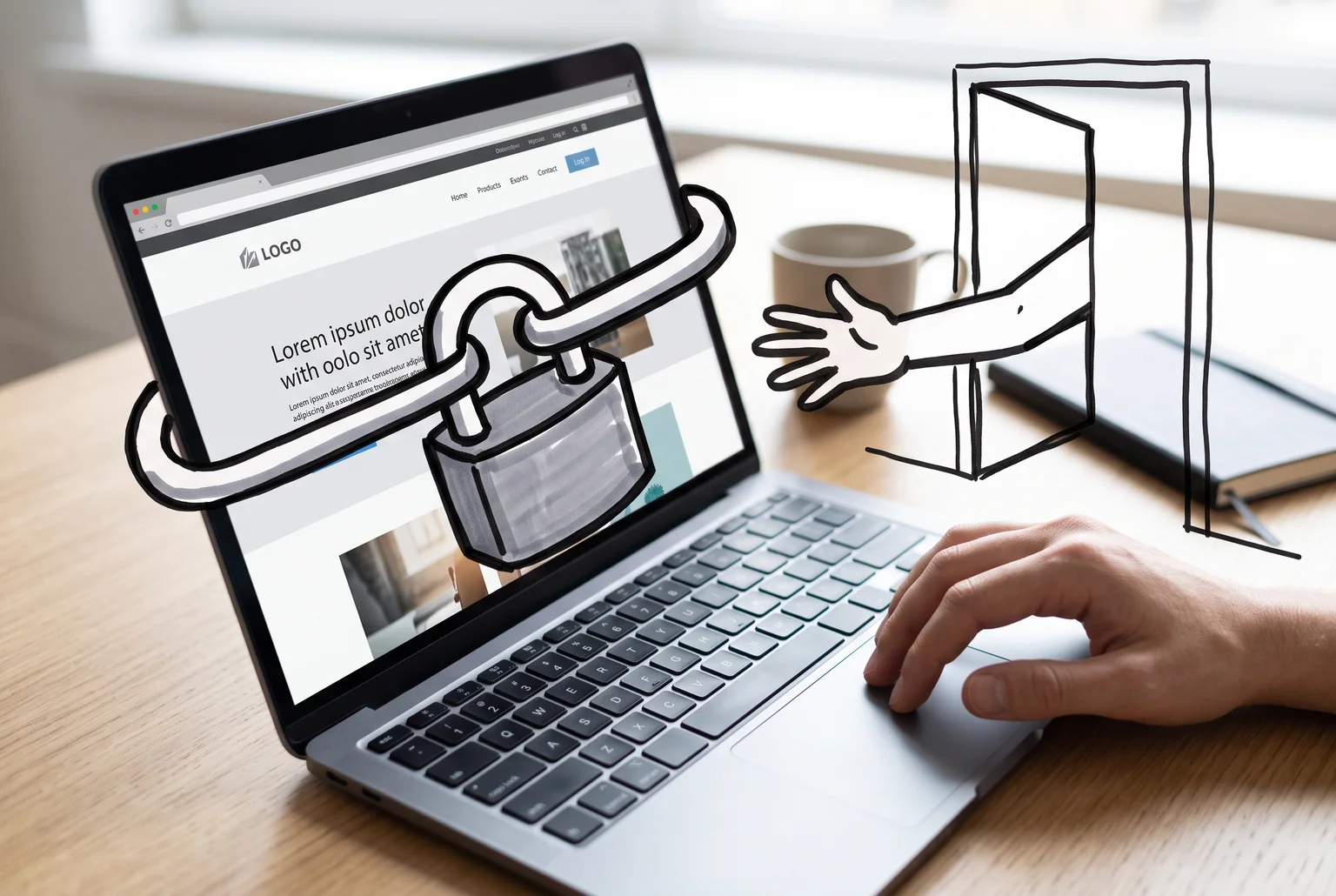
When someone else holds the keys, your own website can turn into a locked room you are no longer allowed to enter.
Asking isn’t an accusation
Confirming who owns your domain and hosting isn’t a challenge to your web professional’s integrity. It’s the same reason you’d want the deed to your house in your own name, even if you trust your builder completely.
Most agencies and freelancers expect this question and answer it without hesitation. A quick, straight answer is a good sign. Reasonable delay while they check their records is normal too, especially if the site was built years ago.
Hesitation, deflection, or vague answers are the only real red flag here. That’s worth noting, but it’s not a reason to assume the worst before you’ve even asked.
Six questions to put to your agency or freelancer
- Who is the domain registered to? Run your domain through a WHOIS lookup to see the official registration details. The name, organisation, and contact email should be yours or your business’s, not your agency’s.
- Can I log into the hosting account myself? You should have your own login to the hosting provider, separate from any login your agency uses, with visibility into billing and backups.
- Who pays the hosting and domain renewal bills? Know the provider, the renewal dates, and what happens if a payment is missed or the agency stops trading.
- Where are the backups, and how recent are they? Ask when the site was last backed up, where that backup is stored, and whether it’s been tested by restoring it.
- Can the site move to another host if I need it to? Some setups use proprietary tools that make shifting providers difficult. Ask plainly.
- Is any of this written into our contract? Ownership of the domain, hosting, code, and content should be spelled out, not assumed.
Six boxes, six questions, one clear test for whether you actually own your website.
Your action plan this week
Email your current agency or freelancer this week and ask for three things in writing: the domain registrar login, the hosting account login, and confirmation of where backups are stored. A professional outfit will hand these over without fuss.
If the answers feel vague, delayed, or defensive, get a second opinion. Any independent web professional can run a quick check on your domain and hosting setup and tell you plainly who controls what.
You paid for this asset. Knowing where it lives, and who holds the keys, is how you actually own it.